
Photos & content
Turn a Completed Job into a Useful Local Case Study
Document the problem, work, and verified outcome of a real job, with a reusable brief that protects the customer and avoids invented results.
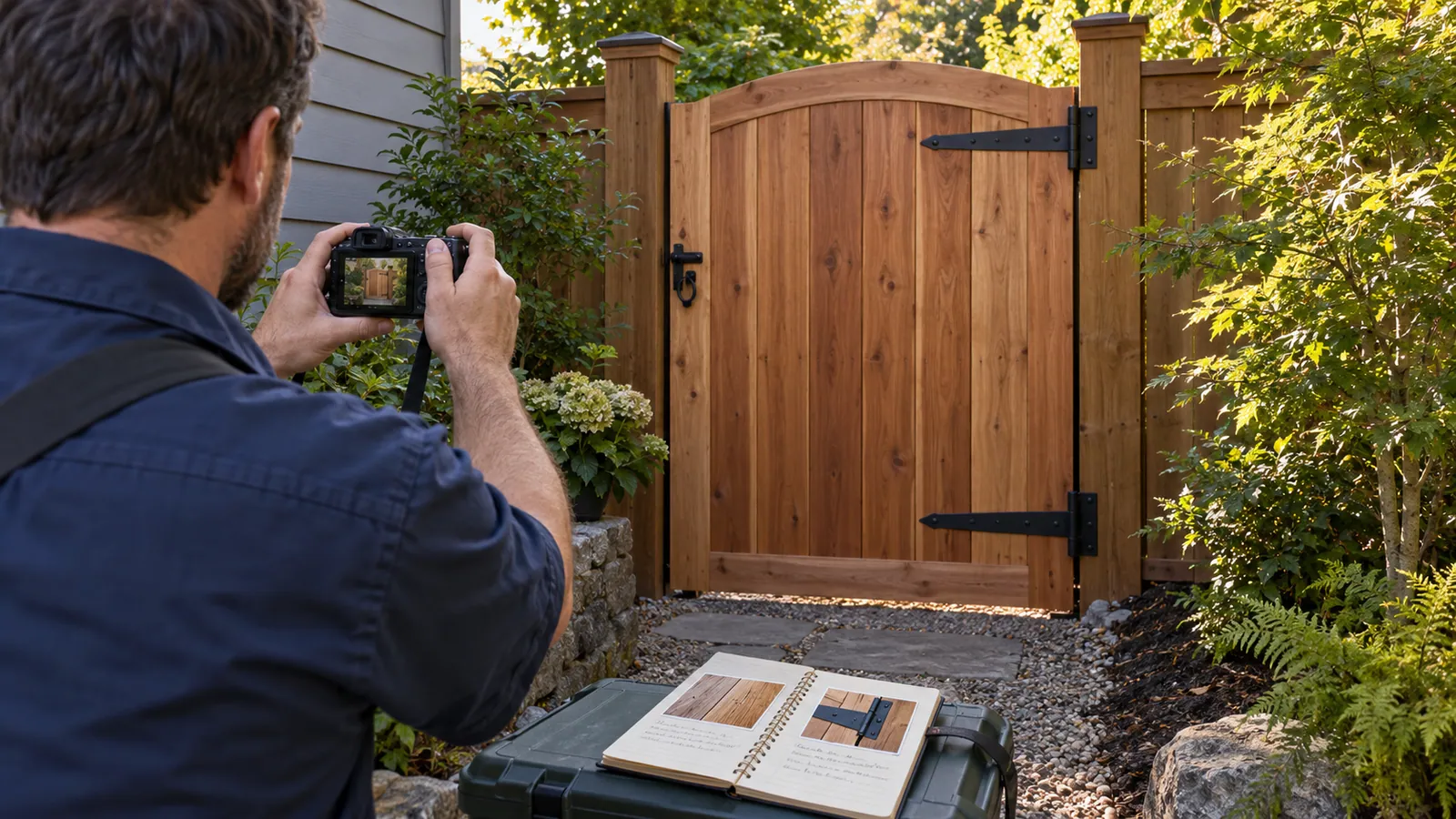
A case study helps a future customer understand how you approach work. It does not need dramatic claims or a full street address. The useful story is the initial problem, the decisions made, the work performed, and the result your team actually verified.
Collect the brief while the job is fresh
Ask the technician for six details: service type, general area, initial condition, work approved, work completed, and final check. Add permission status for photos and any customer quotation. If a detail is missing, ask the person who knows; do not fill the gap with a plausible invention.
Distinguish observation from diagnosis. “The customer reported water under the unit” and “the team found a leaking connection” are different facts. That distinction makes the article credible and avoids implying a diagnosis before an inspection occurred.
Use a five-part structure
### 1. The situation Explain what prompted the call and the relevant property or system context, without identifying the household.
### 2. The assessment Describe what the team checked and what it found. Include only details the technician can confirm.
### 3. The work State the approved scope and completed steps. Separate work performed from options merely recommended.
### 4. The verification Describe the actual final check. If no long-term outcome is measured, do not claim lasting savings, failure prevention, or a guaranteed lifespan.
### 5. The customer takeaway Explain what someone with a similar need should prepare or ask when requesting service.
Illustrative example
A hypothetical garage-door job might begin with a customer reporting inconsistent closing. The story would explain the inspection and the adjustment or replacement actually completed, then the operation check. It should not announce that every inconsistent door needs the same repair. The point is to show the process, not offer remote diagnosis.
Use original, approved images of the actual job. Label before-and-after images accurately and do not combine unrelated projects into one result. Our photo checklist provides the capture and privacy workflow.
Make the page useful beyond the story
Link to the relevant service page, explain how to request an assessment, and give one practical preparation tip. Avoid inserting the city name into every paragraph. Google encourages content that helps readers and demonstrates useful experience; a real, well-documented account supports that aim. People-first content guidance.
Before publishing, have someone involved in the job approve the facts. Save that approval with the brief so future edits do not turn the account into something the crew never did.
Frequently asked questions
### Do I need the customer's name? Usually the general service context is enough. Use identifying details or quotations only with appropriate permission.
### Can I write a case study without photos? Yes, if the factual explanation is useful. Do not substitute a stock photo and present it as evidence of the job.
### Can AI help draft it? It can organize your verified brief. A person who knows the work must check the final claims, terminology, and scope.
Sources and further reading
Continue with this related guide
Reviewed September 5, 2026. Practical examples are illustrative, not client results.