
Local visibility
Earning Local Links and Mentions Without Buying Them
Real relationships produce the local links that matter: suppliers, sponsorships, associations and community work, labeled correctly when money changes hands.
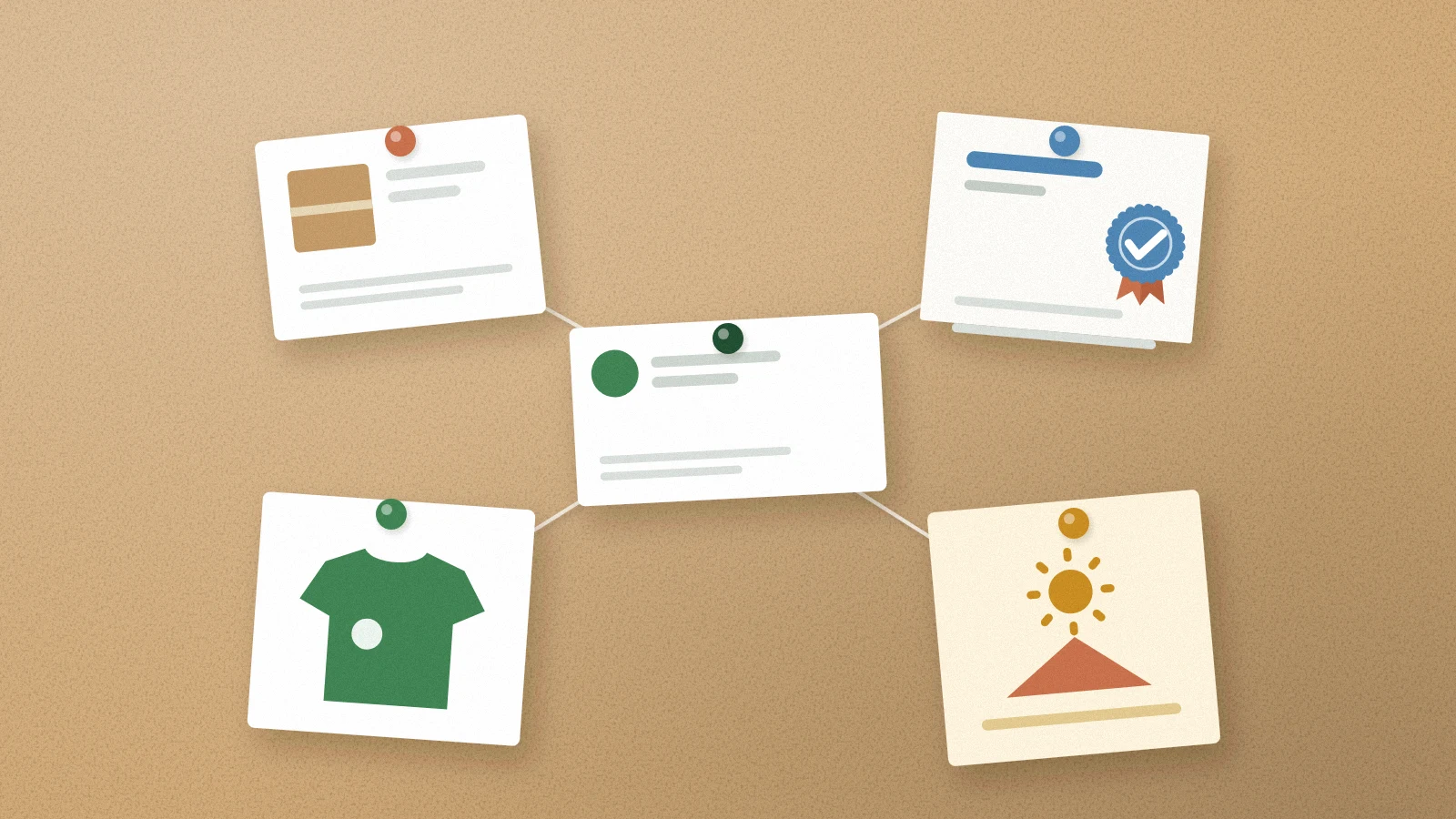
Google says one of the main factors in local results is prominence, meaning how well known a business is, and that it considers things such as how many websites link to the business. For a local service business, the useful links are rarely the ones sold in packages. They come from organizations that already know you: the supplier whose products you install, the youth team you sponsor, the trade association you belong to.
Start with relationships you already have
Make a list of every organization the business deals with that has a website. Most owners find more than they expect.
- Manufacturers and distributors with dealer or installer locators.
- Trade associations, licensing boards that publish member directories, and the local chamber of commerce.
- Sports teams, schools, charities and events you support.
- Property managers, builders and real estate offices you work with regularly.
- Local news sites and community blogs that cover what happens in the area.
For each one, check whether you are listed, whether the listing has your current name, phone and website, and whether a link exists. Correcting an outdated dealer listing is often the fastest win.
Earn mentions with things worth mentioning
Links follow usefulness. A plumber who explains a city's new backflow testing requirement, an electrician who volunteers to rewire a community center, a landscaper who publishes a native plant list for the county: each gives a local site a reason to link. Keep it genuine; a page created only to attract links rarely helps anyone.
Know what crosses the line
Google's spam policies define link spam as links created mainly to manipulate rankings. Examples include buying or selling links that pass ranking credit, excessive link exchanges, automated link building, requiring a link in a contract without letting the other site qualify it, and low-quality directory links. Paid links are fine for advertising or sponsorship when they are qualified with rel="sponsored" or rel="nofollow". Google's link spam policy.
So a sponsorship is fine. A sponsorship sold as "a dofollow link from a high-authority site" is the thing to avoid. If a vendor guarantees a number of links or a ranking increase, walk away.
Keep a simple record
Track each relationship in a sheet: organization, page URL, what it says about you, date checked and contact person. Recheck it once or twice a year and after any move or rebrand. The value is not the count of links; it is that every place that mentions your business sends customers to accurate information.
Frequently asked questions
Are directory listings worth it?
A few relevant, maintained listings help customers find accurate information. Hundreds of low-quality directories are the kind of link Google lists as spam.
Should we ask suppliers to link to us?
Yes, if they keep an installer or dealer list. Ask them to list your current details and website.
Do links guarantee better local rankings?
No. Links are one input to prominence among many, and Google says there is no way to request or pay for a better local ranking.
Sources and further reading
Keep exploring
- How Google local ranking works: relevance, distance, and prominence
- Audit Your Business Name, Address, and Phone Listings
- Turn a Completed Job into a Useful Local Case Study
Reviewed October 27, 2026. Practical examples are illustrative, not client results.